
Medical worker injuries are among the most common workplace hazards in Virginia’s healthcare system. The medical field is rife with opportunities for on-the-job injuries, whether in hospitals, labs, or private practices. According to the CDC, healthcare workers have the highest rate of non-fatal occupational injuries and illnesses nationwide. In fact, healthcare workers face the highest cases of nonfatal on-the-job injuries and illnesses of any other industry sector. According to the Bureau of Labor Statistics, private industry hospital workers are more likely to have a work-related injury or illness, at a rate of 6 cases per 100 full-time workers.
Medical Worker Injuries: Common On-the-Job Risks
Lifting And Moving Patients
Medical-related jobs can be physically challenging. There are several tasks that medical workers are responsible for, which often lead to on-the-job injuries. The most common event leading to work-related injuries among hospital workers is overexertion and bodily reaction, especially from lifting and moving patients. The Bureau of Labor Statistics found that roughly 45% of work-related injuries that hospital workers endured were a result of lifting and moving patients.
Falls, Slips, And Trips
The second highest number of on-the-job injuries that hospital workers suffer are due to falls, slips, and trips. Roughly 25% of hospital workers’ on-the-job injuries fall under this category, according to a study by the Bureau of Labor Statistics. Medical workers are constantly on the move. A medical facility is rife with opportunities for slips and falls. Some of the hazards underfoot can be owing to liquid spills, items left in the walkway, and loose cords and hoses from medical equipment.
Needlestick Injuries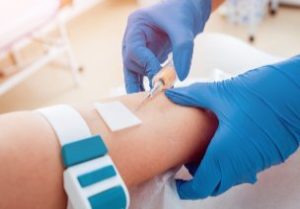
Needlestick injuries are a significant concern for healthcare workers, especially those involved in administering injections, drawing blood, or handling sharp medical instruments. Accidental needle pricks can lead to exposure to bloodborne pathogens such as HIV, hepatitis B, and hepatitis C. Despite extensive training and precautions, these injuries can occur in high-stress situations.
Injuries Due To Repetitive Tasks
A study by the BLS found that musculoskeletal disorders comprised over half of all days missed from work among nursing assistants. Medical professionals, particularly nurses and caregivers, often experience musculoskeletal injuries due to the physically demanding nature of their work. Repetitive tasks such as lifting and transferring patients, repositioning them in bed, or carrying heavy medical equipment can lead to strains, sprains, back injuries, and joint problems. These injuries can have long-lasting effects on the overall well-being and career longevity of medical workers.
Work-Related Injuries Nurses Commonly Face
Nurses and nursing assistants face a unique set of work-related injuries based on the daily tasks their jobs demand. Daily tasks such as walking, bending, stretching, standing for long periods, lifting patients or medical equipment, and coming into contact with potentially harmful substances and chemicals may lead to on-the-job injuries for nurses. Nurses are prone to strains and hernias (both spinal and abdominal) due to the responsibility of physically moving patients. Walking and standing for long shifts can lead to injuries because of slips, trips, and falls (often slipping on liquids or tripping over the cords or wires of medical equipment). Bending, stretching, and lifting patients can lead to work-related back injuries for nurses.
Enduring Impact of Medical Worker Injuries
Not only do medical workers have an elevated propensity for on-the-job injuries, but the injuries medical workers suffer are often more enduring. Roughly 25% of hospital workers’ on-the-job related injuries result in more than 31 or more days away from work. More time away from work often means more serious injuries and more medical bills.
Common Body Areas Affected by Medical Worker Injuries
There are several areas of the body prone to on-the-job injuries for medical workers. The parts of the body most likely to be impacted by work-related injuries among hospital workers are the trunk, especially the back. The second body parts most likely to be injured by hospital workers on the job are the upper extremities (hands and shoulders). Followed by the lower extremities, such as legs, feet, and ankles.
Real Story: How a Virginia Nurse Found Security After a Workplace Illness
When Pam, a dedicated nurse, contracted COVID-19 while caring for patients, her family was suddenly burdened with mounting medical bills and uncertainty about the future. With HammondTownsend’s help, Pam not only secured the workers’ compensation benefits she was entitled to but also obtained a lifetime annuity that guarantees her long-term care and financial peace of mind.
Her experience is a powerful reminder that medical workers have rights—and with the right legal team, recovery and security are possible.
What to Do After a Medical Worker Injury in VA
As with any on-the-job injury, medical workers who are hurt at work should follow these three important steps.
- Report your injury to your supervisor and tell them exactly what happened.
- Go to the doctor and tell them exactly what happened.
- Call HammondTownsend for experienced legal advice. We know the complex workers’ compensation process.
Get the full breakdown of each step in a workers’ compensation case.
Seek Legal Assistance
Navigating the workers’ compensation system can be complex, and it’s important to understand your rights and responsibilities. In some cases, it might be necessary to consult with an experienced workers’ compensation attorney to ensure you receive the benefits you are entitled to. Contact HammondTownsend to schedule your free case evaluation. See answers to common questions about working with HammondTownsend.
Claims Take a While
Even straightforward claims take several months to process entirely. It can be difficult if you’re injured and unable to work while your workers’ comp claim benefits come through, but don’t count on receiving workers’ comp benefits quickly to help you if you become injured at work.
Read the Resources
Medical workers in Virginia face unique risks on the job, but they are fully protected under the state’s workers’ compensation laws. Whether you’re a nurse, technician, or hospital staff member, you have the right to medical care, wage replacement, and rehabilitation services if you’re injured while working. Understanding these rights is essential to ensure you receive proper compensation and support throughout your recovery. If you’ve been hurt at work, consulting an experienced workers’ compensation attorney can help you navigate the claims process and secure the benefits you deserve.
Explore our library of helpful workers’ comp resources. As you’re going through the process, your HammondTownsend attorney and paralegal will be the most valuable players on your side, but the blog posts can give you additional information as well.